Key points
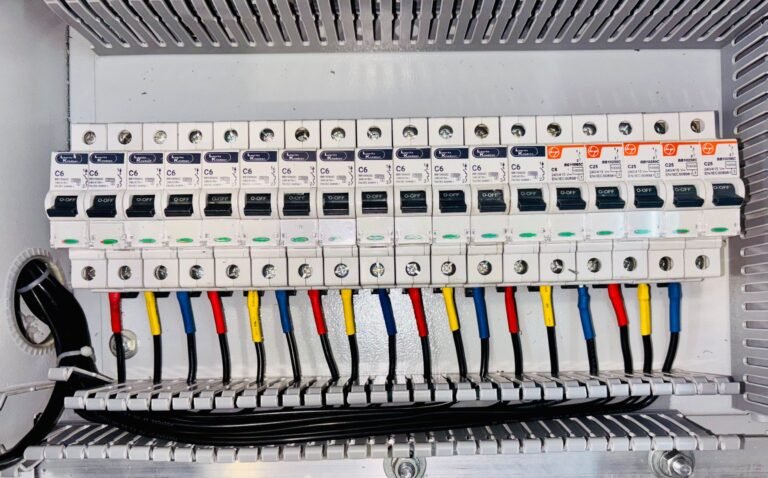
- Many older homes have original or early-replacement panels, small services and limited grounding.
- A panel replacement is a good moment to evaluate the wiring connected to it.
- Concrete-block walls and terrazzo floors affect how new wiring is routed.
- Permits, inspections and FPL coordination set the schedule.
Drive through Coral Ridge, Imperial Point, Lauderdale Manors or Middle River Terrace and you will see the classic South Florida mid-century home: single story, concrete-block walls, terrazzo floors, jalousie or awning windows replaced over the years, and an addition or two. Many of these homes are well built. Their electrical systems, though, were designed for a very different way of living.
If you own one of these homes — or one in nearby Wilton Manors, Oakland Park or Lauderdale Lakes — here is what to expect when the panel needs replacing.
Why older panels come up so often
Older homes tend to share a few electrical characteristics:
- Small services. Sixty- to 100-amp services were common.
- Original or early-replacement panels, sometimes from brands that are no longer made or that insurers routinely question.
- Fuse boxes in some homes that were never converted.
- Limited grounding, with two-prong outlets in parts of the house.
- Decades of additions — a Florida room, a converted garage, a new kitchen — each adding circuits to the same panel.
The trigger for replacement is often outside the homeowner's control: an insurance renewal, a 4-point inspection, a home sale or a failed breaker that cannot be matched.
Start with an evaluation, not a quote
A good panel replacement in an older home starts with a careful look at what is connected to the panel. Before quoting, an electrician should:
- Identify the existing panel and service size, including the meter base and service entrance.
- Check the condition of conductors where they enter the panel — old insulation can be brittle.
- Look for aluminum branch wiring, which was used in some homes built roughly from the mid-1960s to the mid-1970s and needs special attention at connections.
- Evaluate grounding and bonding, including the grounding electrode.
- Note past additions and any wiring that looks non-standard.
- Run a load calculation if you are adding anything, or if the service is small.
That evaluation tells you whether you need a same-size panel replacement, a service upgrade, or additional wiring work. An electrical panel inspection is a good way to get this information before you commit.
Wiring considerations in older homes
A panel replacement does not automatically mean rewiring the house. In many homes the branch wiring is in serviceable condition and can be reconnected to the new panel. But replacing the panel is a natural time to address:
- Ungrounded circuits. Where a ground path is not available, GFCI protection can be added as allowed by code, with the right labeling.
- Damaged or brittle sections near the panel, in the attic or in junction boxes.
- Overloaded or shared circuits in kitchens and baths that would benefit from new dedicated circuits.
- Aluminum wiring connections, which should only be repaired with approved methods.
If wiring needs more than spot repairs, see electrical wiring and rewiring.
Concrete block, plaster and terrazzo
South Florida construction shapes how electrical work is done:
- Concrete-block (CBS) walls cannot be fished like wood-framed walls. New circuits are often routed through the attic and down interior partitions, or run in surface raceway where appropriate.
- Terrazzo and slab floors rule out running wire under the floor, so routing plans matter.
- Low attic clearance in some ranch homes makes attic work slower and hotter.
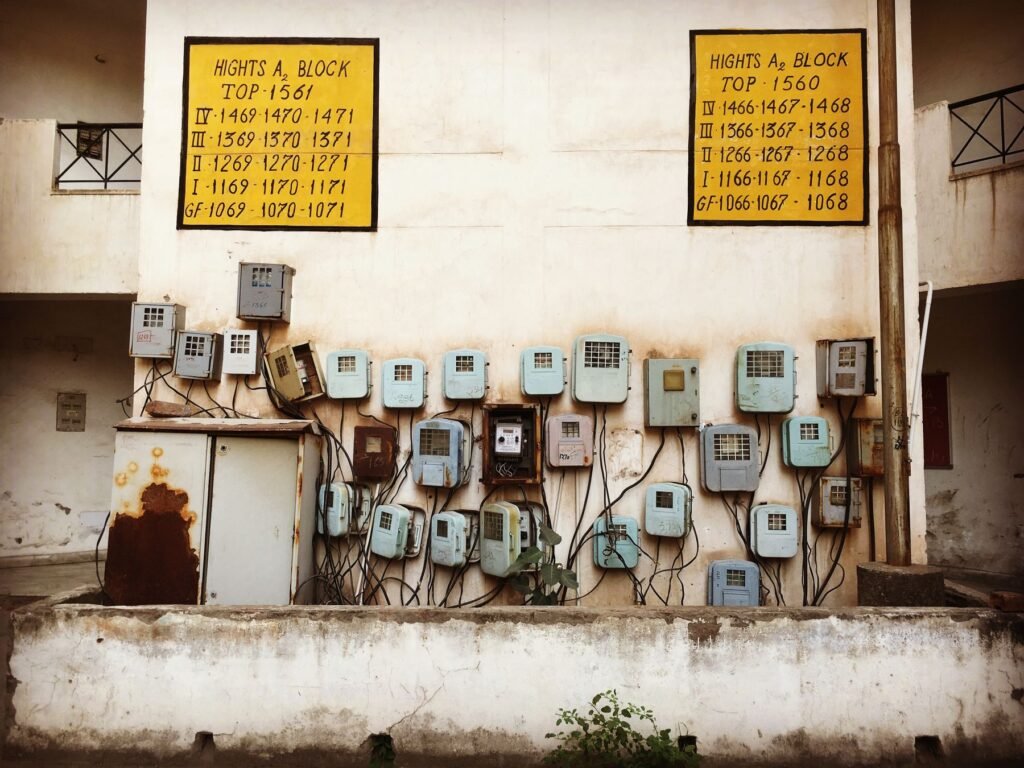
- Exterior panels and meters on block walls are exposed to sun, rain and salt air.
These factors affect labor more than materials, which is one reason estimates for similar-looking homes can differ.

Permits, inspections and FPL
Panel replacements in Fort Lauderdale and surrounding cities generally require an electrical permit and a final inspection. If the service is being upgraded, Florida Power & Light will need to disconnect and reconnect power at the meter.
If your home is in a designated historic district, exterior changes — such as relocating a meter or panel — may need additional review. Your electrician should identify that early.
Ask your electrician to explain exactly which permit, inspection and utility steps apply to your home, and who handles each one.
Planning the replacement day
A few practical tips make the day easier:
- Expect the power to be off for part of the day. Plan for refrigerators, freezers, medical equipment and work-from-home needs.
- Clear access to the panel, the meter and the attic hatch if work is needed there.
- Tell your electrician about sensitive equipment — aquariums, medical devices, home servers.
- Keep pets secured, since doors may be opened often.
- Ask for a labeled panel directory when the job is done.
Send photos of your panel, its label and your meter. We will tell you what we see and what a replacement would involve.
After the replacement
When the work is complete and inspected, you should have a clean, labeled panel with correctly sized breakers, verified grounding and bonding, and documentation you can share with your insurer if they asked for the replacement. Keep the permit information with your home records — it is useful when you sell.
If your insurer or inspector flagged your panel, our electrical panel replacement page explains the process in more detail. If your home still has fuses, see fuse box replacement.
Frequently Asked Questions
Do I have to rewire my house when I replace the panel?
Not usually. Serviceable branch wiring can be reconnected. Damaged sections, ungrounded circuits and overloaded circuits may need targeted work.
Is aluminum wiring dangerous?
Aluminum branch wiring can be safe when connections are made with approved methods, but improper connections can overheat. Have it evaluated by an electrician.
Will I need drywall or plaster repair?
Sometimes, especially with flush-mounted panels or new circuits. Your electrician should explain where openings are needed.
Can the panel be moved to a better location?
Often, yes, though relocation adds cost and may involve the utility and additional permitting.
How long does a panel replacement take in an older home?
Often one day on site, though older homes can take longer if repairs are found. Permitting and inspection add time.
Will my insurer accept the new panel?
We cannot speak for insurers, but replacing equipment they flagged usually resolves the issue. Provide them with the completed permit and invoice.
More answers: browse the electrical FAQ center.
Photos and video on this page are licensed stock media used for illustration, not photos of Empire projects. This article is general information; your electrician should evaluate your specific property.