Key points
- The best time to prepare is before a storm is in the forecast.
- Never connect a generator through a dryer outlet — use a transfer switch or listed interlock.
- Whole-home surge protection helps limit damage from lightning and utility surges.
- Do not re-energize electrical equipment that has been underwater until it is evaluated.
The Atlantic hurricane season runs from June 1 through November 30, and South Florida homeowners know the routine: shutters, water, batteries, fuel. Your electrical system deserves a place on that list too. Power outages, lightning, surges, flooding and unsafe generator use cause a large share of storm-related electrical damage and injuries.
Here is how to prepare before a storm, stay safe during an outage, and know what to check afterward.
Before the season: the electrical checklist
The best time to prepare is in the spring or early summer — not when a storm is in the forecast and every electrician is booked.
- Have older or questionable panels evaluated. Corroded, overloaded or damaged equipment is more likely to fail when it matters. See signs your home needs a panel upgrade.
- Install whole-home surge protection at the panel.
- Plan your backup power and have a safe generator connection installed.
- Test GFCI outlets outdoors, in the garage and around the pool by pressing TEST and RESET.
- Check exterior outlets and covers. Cracked or missing in-use covers let water in.
- Look at your service mast and meter for damage or loose attachments. Trees near power lines should be reported to FPL; do not trim near lines yourself.
- Label your panel so you can quickly shut off circuits if needed.
Surge protection
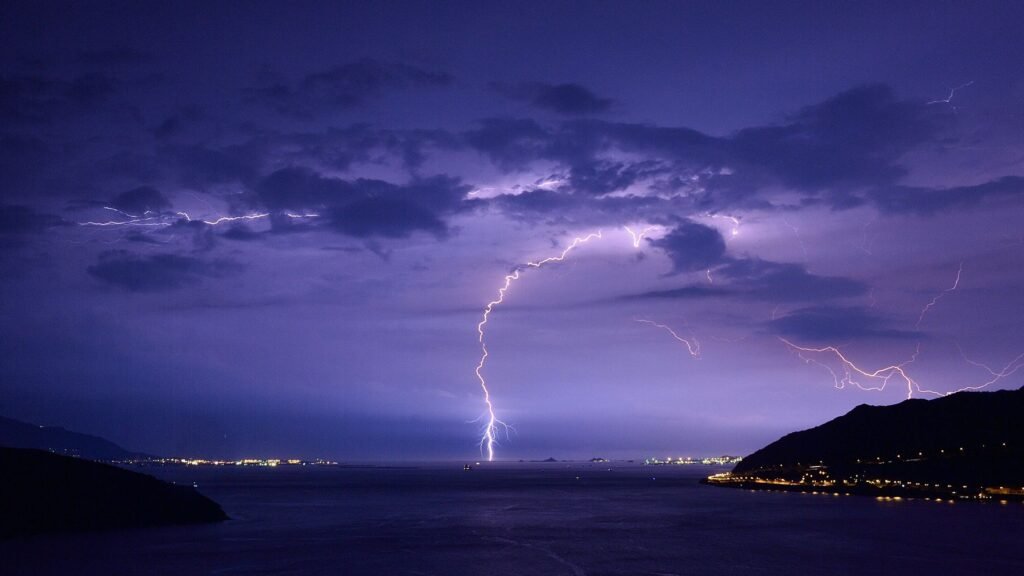
Lightning does not need to strike your house to damage electronics. Nearby strikes and the switching that happens as the utility restores power can send surges through your wiring.
A whole-home surge protective device installed at the panel helps limit those surges before they reach your appliances, air conditioner controls, pool equipment and electronics. Use it alongside quality point-of-use surge strips for computers and TVs. No device can guarantee protection from a direct strike, but layered protection greatly reduces risk. Current code commonly requires a surge protector when a home's service equipment is replaced. Learn more about whole-home surge protection.
Generators: safe connection is everything
Portable generators keep refrigerators, fans and lights running after a storm. They also cause injuries and deaths every year when used improperly.
Never backfeed
Plugging a generator into a dryer or other outlet using a "double-male" cord sends power back through your panel and onto the utility lines. It can electrocute utility workers and neighbors, damage your equipment and start fires. It is dangerous and illegal.
Use a transfer switch or listed interlock
The safe options are:
- A manual transfer switch that powers selected essential circuits.
- A listed interlock kit on your panel that makes it physically impossible for the main breaker and the generator breaker to be on at the same time.
- An outdoor generator inlet, so the generator cord plugs into a weatherproof box outside.
These connections generally require an electrical permit. See generator and transfer switch installation.
Carbon monoxide
Run generators outdoors only, far from windows, doors and vents — never in a garage, even with the door open. Install battery-powered or battery-backup carbon monoxide alarms.
Carbon monoxide is invisible and deadly. Never run a generator indoors, in a garage, on a covered porch or near open windows.
During an outage
- Turn off or unplug sensitive electronics and large appliances so they are not hit by surges when power returns.
- Leave one light switched on so you know when power is back.
- Stay away from downed lines and report them to FPL and 911. Assume every downed line is energized.
- Do not wade through standing water near outlets, appliances or electrical equipment.

Flooding and water intrusion
Water and electricity are a dangerous combination. If your home takes on water:
- Do not turn the power back on to areas that were flooded until the equipment is evaluated.
- Do not touch panels, outlets, appliances or cords that were submerged.
- If you can safely reach the main breaker from a dry location, switch it off. If not, leave it and call the utility.
Breakers, panels, outlets and wiring that have been underwater often need replacement, because water leaves corrosion and contamination behind even after it dries.
After the storm: what to check
Once it is safe, look for:
- Damage to the service mast, meter base or service cables where power enters the house. The owner is generally responsible for repairs to this equipment before the utility can reconnect.
- Tripped breakers that will not reset, or burning smells.
- Water marks in or near the panel.
- Damaged exterior outlets, fixtures or pool equipment.
- Flickering or dim lights, which can signal a damaged neutral.
If anything looks wrong, call a qualified electrician before restoring power to that part of the house. Our 24/7 emergency electrician line is (754) 224-6319.
Book a pre-season check, surge protection, or a generator connection.
A simple plan for next season
- Schedule an electrical check in the spring.
- Add whole-home surge protection.
- Install a safe generator connection and practice the switchover.
- Keep CO alarms, flashlights and labeled breakers ready.
- After any storm, inspect before you re-energize.
Homes along the coast in Lauderdale-by-the-Sea, Pompano Beach and Lighthouse Point face extra salt-air and flood exposure, so pre-season checks are especially worthwhile there.
Frequently Asked Questions
Can I plug my generator into a dryer outlet?
No. That backfeeds the panel and utility lines and can electrocute utility workers. Use a transfer switch or listed interlock with an inlet.
What is a generator interlock?
A mechanical device on your panel that prevents the main breaker and generator breaker from being on at the same time, allowing safe generator use.
Should I turn off my main breaker during a hurricane?
If flooding is likely or your home is being evacuated, turning off the main breaker is often recommended. Follow guidance from emergency officials and the utility.
Is it safe to use electrical equipment after flooding?
Not until it has been evaluated. Water-damaged breakers, outlets and appliances can fail dangerously.
Does whole-home surge protection protect against lightning?
It reduces risk from surges, including those from nearby lightning, but cannot guarantee protection from a direct strike.
Who repairs a damaged service mast after a storm?
The equipment on the house side, such as the mast and meter base, is generally the owner’s responsibility. A licensed electrician repairs it so the utility can reconnect.
More answers: browse the electrical FAQ center.
Photos and video on this page are licensed stock media used for illustration, not photos of Empire projects. This article is general information; your electrician should evaluate your specific property.