Key points
- Level 2 charging uses a 240-volt dedicated circuit and is far faster than a standard outlet.
- EV charging is treated as a continuous load, so the circuit must be sized with extra headroom.
- A load calculation decides whether your panel can handle the charger.
- New charger circuits generally require a permit; condos also need association approval.
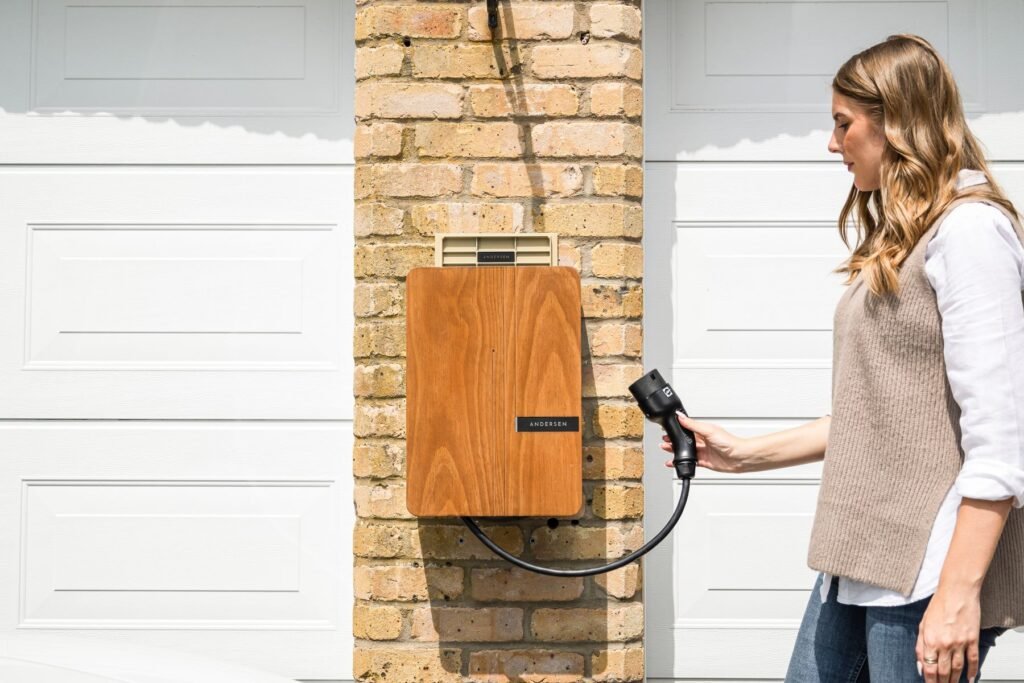
Electric vehicles are a common sight on Fort Lauderdale streets, and most owners do the bulk of their charging at home. A properly installed home charger is convenient, cheaper per mile than public fast charging, and safer than relying on an extension cord.
Here is what to know before you buy a charger or book an installation.
Level 1 vs. Level 2 charging
Level 1 uses a standard 120-volt household outlet and the cord that comes with many vehicles. It is slow — often only a few miles of range per hour — but can be enough for drivers with short daily commutes.
Level 2 uses a 240-volt circuit, like a dryer or range. Depending on the charger and the vehicle, it can add roughly 20 to 40 miles of range per hour, enough to fully recharge most EVs overnight.
| Level 1 | Level 2 | |
|---|---|---|
| Voltage | 120 volts | 240 volts |
| Circuit | Standard outlet (ideally dedicated) | Dedicated 240-volt circuit |
| Typical use | Short commutes, plug-in hybrids | Most battery EVs, daily driving |
| Installation | Usually none | Electrician installs circuit and charger |
Your vehicle's onboard charger also limits how fast it can charge, so a bigger charger is not always faster.
Why a dedicated circuit matters
EV charging draws a steady, high current for hours. Electrical codes treat it as a continuous load, which means the circuit must be sized with extra headroom — typically 125% of the charger's rated current. For example, a charger set to deliver 48 amps needs a 60-amp circuit.
That is why plugging a Level 2 charger into an old dryer outlet or sharing a circuit with other appliances is a bad idea. Connections that are fine for a dryer's short cycles can overheat under hours of continuous charging.
Will you need a panel upgrade?
This is the most common question, and the honest answer is: it depends on your existing load. An electrician should run a load calculation that includes your air conditioning, electric heat strips, water heater, range, dryer, pool equipment and the new charger.
Possible outcomes:
- Plenty of capacity: add the circuit and charger to your existing panel.
- Capacity is tight: install a lower-amperage charger, or use a load-management device that reduces charging when other big loads run.
- Not enough capacity: upgrade the panel or service. See our guide to 100-amp vs. 200-amp panels.
Many 200-amp homes can add a charger without an upgrade. Many older 100-amp homes cannot, at least not at full speed.
Choosing a charger
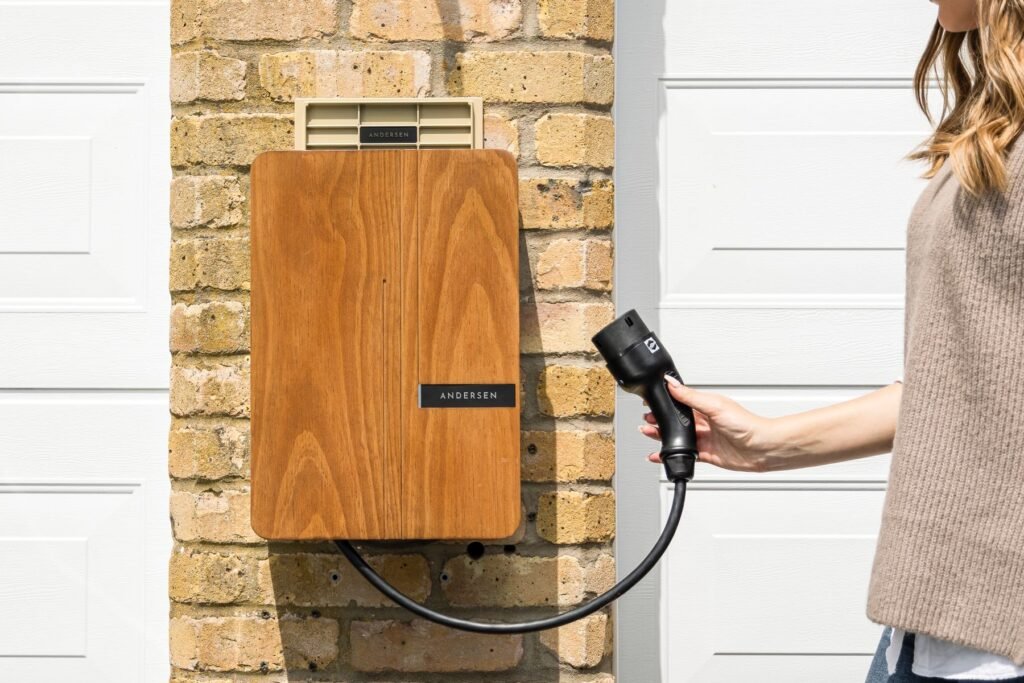
- Hardwired chargers (including the Tesla Wall Connector and many other brands) are connected directly to the circuit. They are tidy, often support higher power, and avoid wear on a plug.
- Plug-in chargers use a 240-volt outlet such as a NEMA 14-50. They are portable, but the outlet must be high quality and properly protected. Current code generally requires GFCI protection for 240-volt outlets in garages and outdoors, which affects plug-in setups.
Before buying, check your vehicle's maximum charging rate and the charger's installation requirements. Bring the model number to your estimate.
Where to put the charger
Good placement saves money and frustration:
- Close to the panel when possible — shorter circuits cost less.
- Near where the charging port will be when you park. Check which side of your car the port is on.
- Protected from vehicle impact and trip hazards.
- Outdoors only with outdoor-rated equipment. Carports and driveways are common in South Florida; rain, sun and salt air are hard on equipment, so placement and enclosure ratings matter.
- Wi-Fi coverage if you want app features or utility programs.
Condos and townhomes
Condo owners in Fort Lauderdale, along the Galt Mile or in communities like those in Coconut Creek often face extra steps: association approval, the location of the electrical service for the parking area, metering, and insurance requirements. Florida's condominium law includes provisions addressing unit owners who want EV charging in their assigned parking space, along with conditions the association may require. Ask your association for its written requirements early, and involve an electrician to assess where power can come from.
Permits and inspection
Installing a new 240-volt circuit for an EV charger generally requires an electrical permit and inspection in Broward County. Permitted work protects you: it confirms the circuit, breaker, wire and charger are installed correctly — and it is the record insurers and buyers look for.
Send a photo of your panel, the main breaker and where you park. We will check capacity and give you a free estimate.
What affects installation cost
- Distance from the panel to the charger.
- Panel capacity and whether a load-management device or upgrade is needed.
- Charger type and amperage.
- Indoor vs. outdoor installation and mounting.
- Concealed vs. surface wiring, especially in concrete-block homes.
- Permit and inspection fees.
Learn more on our EV charger installation page. Rebates and utility programs change frequently, so check current offerings from FPL, your vehicle manufacturer and government programs before you buy.
Frequently Asked Questions
Can I install a Tesla Wall Connector myself?
We do not recommend it. A 240-volt circuit must be sized and installed correctly, and it generally requires a permit and inspection.
How long does EV charger installation take?
Many installations are completed in a day once the permit is in place. Panel upgrades take longer.
Do I need a 200-amp panel for an EV charger?
Not necessarily. A load calculation determines whether your existing service can support it, possibly with load management.
Can I install a charger outside?
Yes, with equipment rated for outdoor use and proper placement and protection.
Can a condo owner install an EV charger?
Often, yes, with association approval and conditions. Ask your association for its requirements and have an electrician assess the parking area power.
Is Level 1 charging enough?
For short daily commutes or plug-in hybrids it can be. Most battery EV owners prefer Level 2 for overnight charging.
More answers: browse the electrical FAQ center.
Photos and video on this page are licensed stock media used for illustration, not photos of Empire projects. This article is general information; your electrician should evaluate your specific property.